The Books
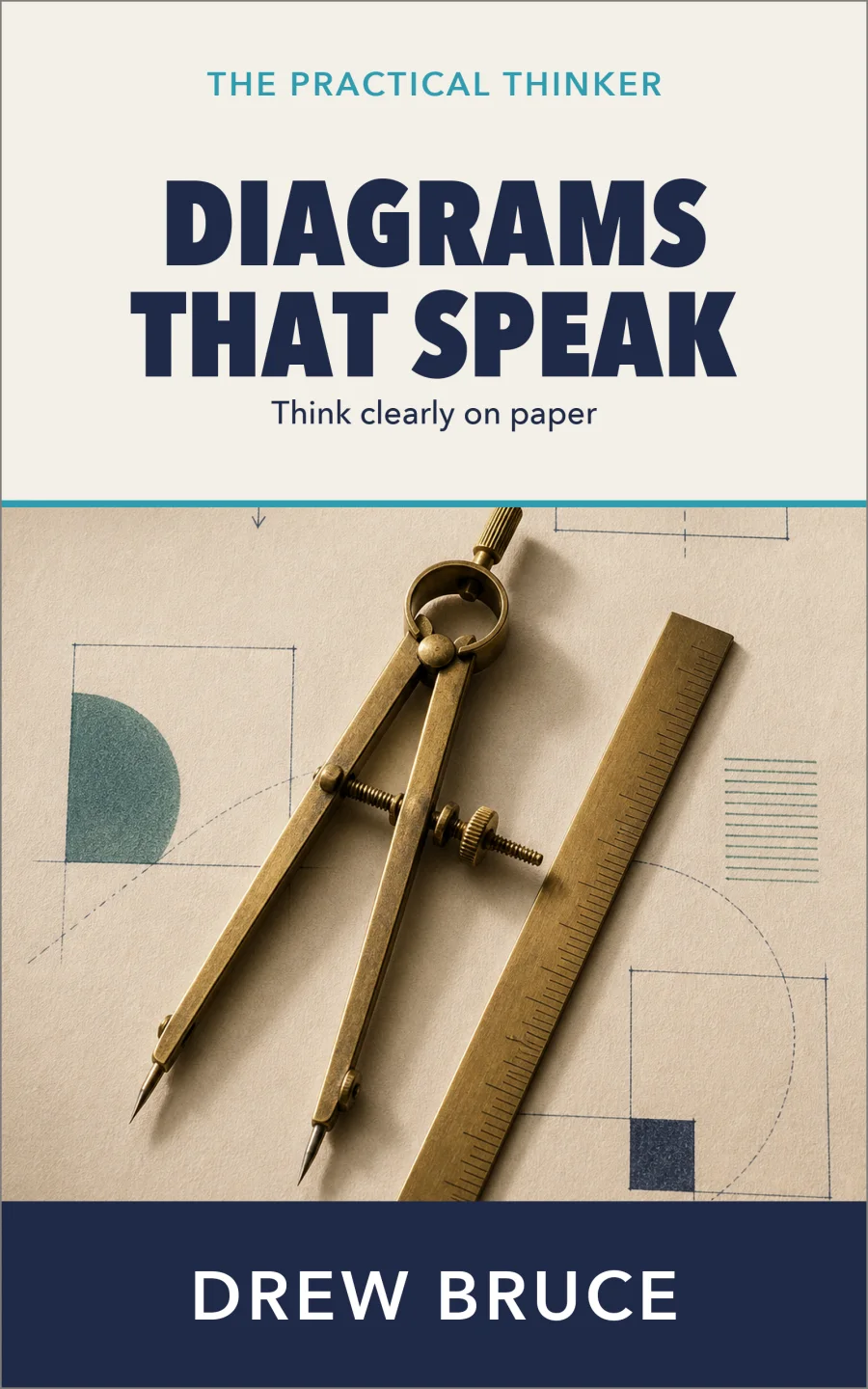
Diagrams That Speak
A Practical Guide to Visual Communication
Who it's for
Anyone who needs to explain ideas to others, and suspects a well-chosen diagram might do it better than another wall of text.
What it covers
How the brain processes visuals, core design principles anyone can learn, choosing the right diagram type, practical techniques for improving any visual, and exercises to build the skill through practice.
Structure
21 chapters across 5 parts, from foundations through to a complete visual reference library.
The philosophy
Purpose before polish, every diagram should start with "What am I trying to say?" not "What tool should I use?"
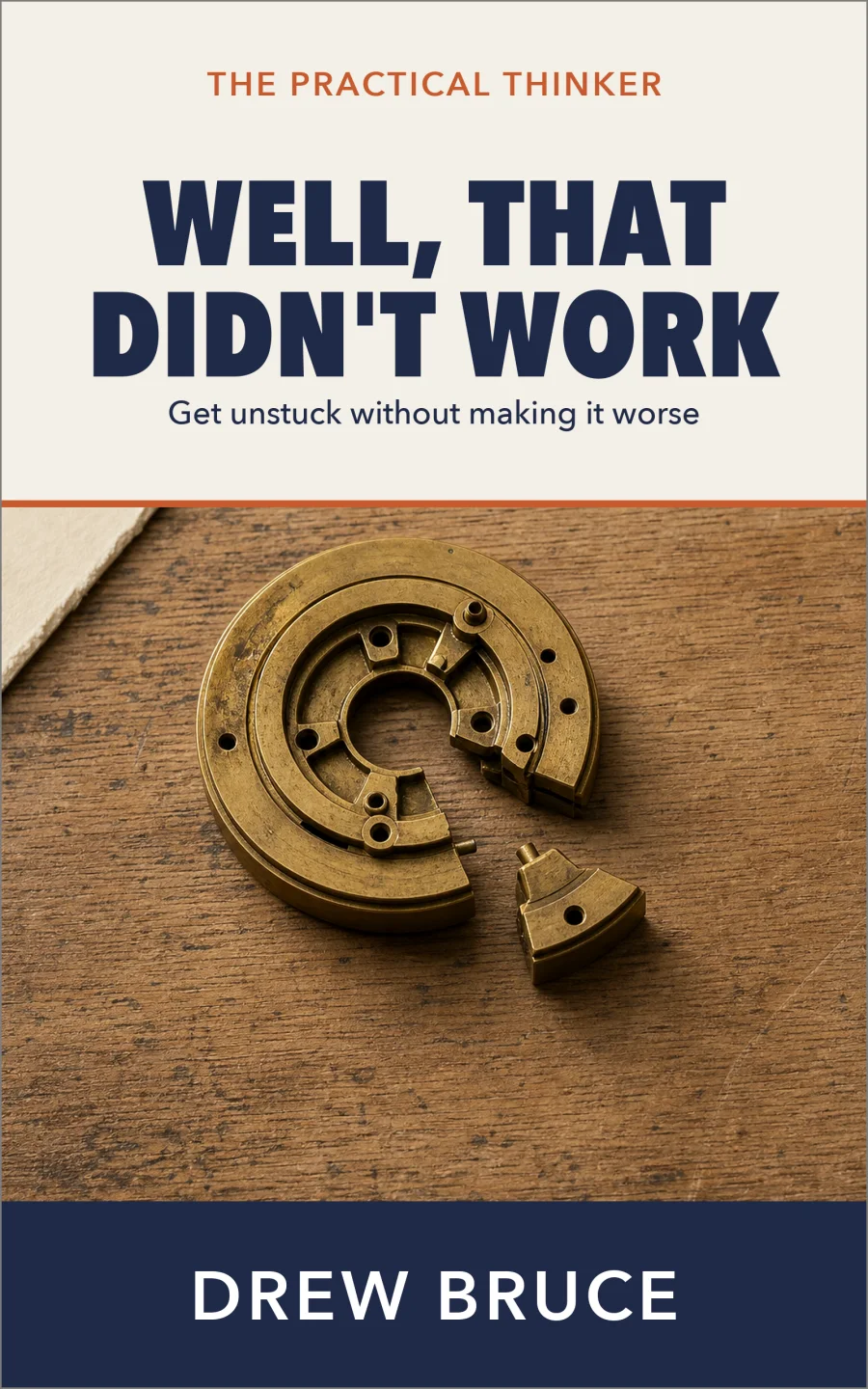
Well, That Didn't Work
A Practical Guide to Solving Problems (Even the Ones You Created)
Who it's for
Anyone who faces problems at work or in life and wants a better toolkit than "try harder" and "have another meeting."
What it covers
Problem definition, cognitive biases, creative thinking, data-driven decisions, collaboration, difficult conversations, prototyping, iteration, wicked problems, speed solving, and building a problem-solving culture.
Structure
16 chapters plus appendix across 6 parts, built around the "Hang On" framework: three questions that diagnose why you're stuck.
The philosophy
Things won't work. That's normal. Pause. Ask the three questions. Make three left turns. Go solve something.
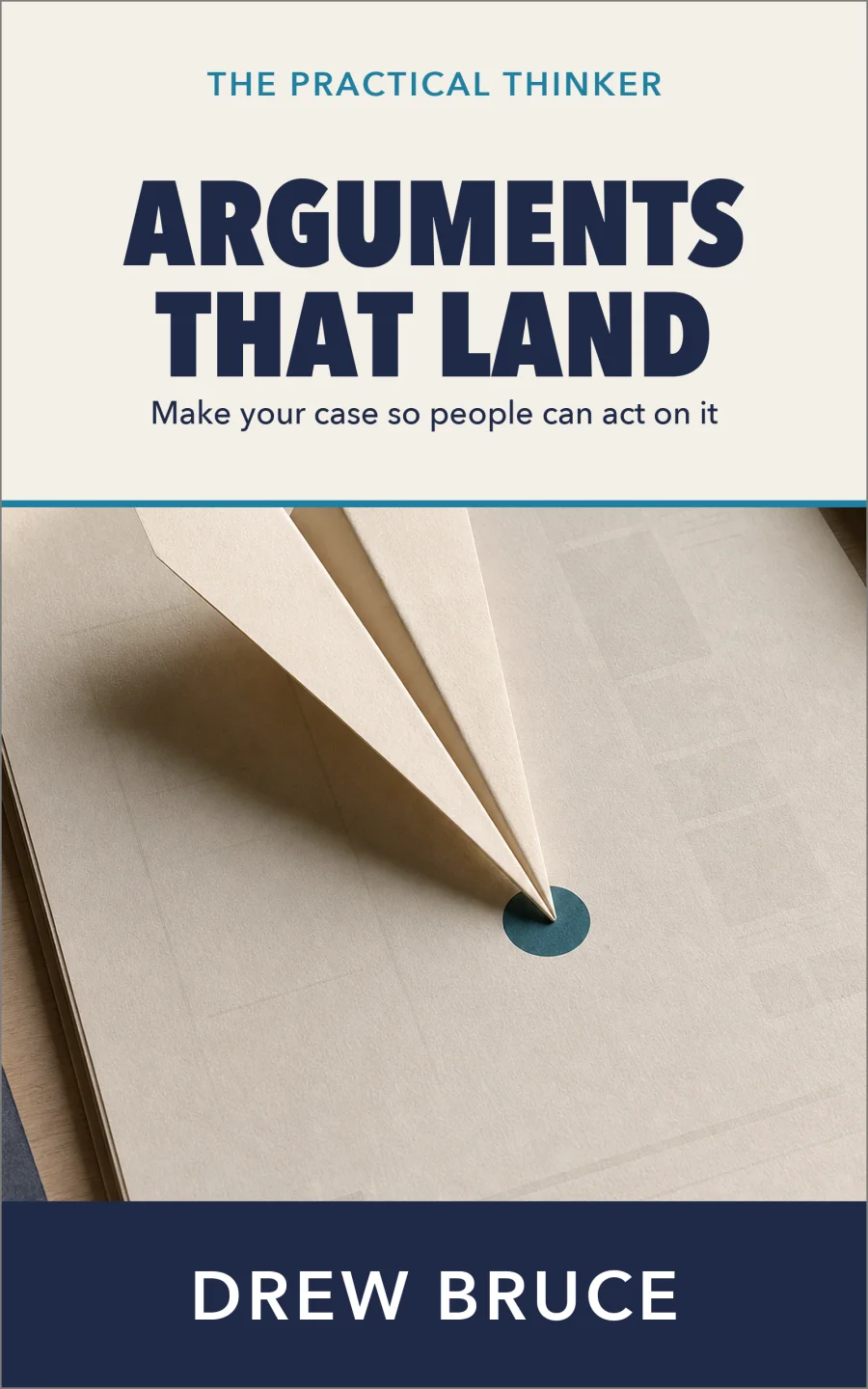
Arguments That Land
A Practical Guide to Making Your Case
Who it's for
Anyone who has ever walked into a meeting with the better answer and walked out wondering why nobody listened.
What it covers
A five-check pre-flight system for making your case: sharpening your claim, reading the room, selecting your strongest evidence, understanding the cost of yes, and steelmanning the objection before the room does. Plus delivery, recovery, and how to lose well when losing is the right move.
Structure
16 chapters across 5 parts, from why arguments fail, through the Pre-Flight checklist, to delivery and recovery. Includes a tear-out Pre-Flight card and five fully worked examples.
The philosophy
Being right is not enough. The room has to hear it, believe it, and act on it. That means checking five things before you open your mouth.
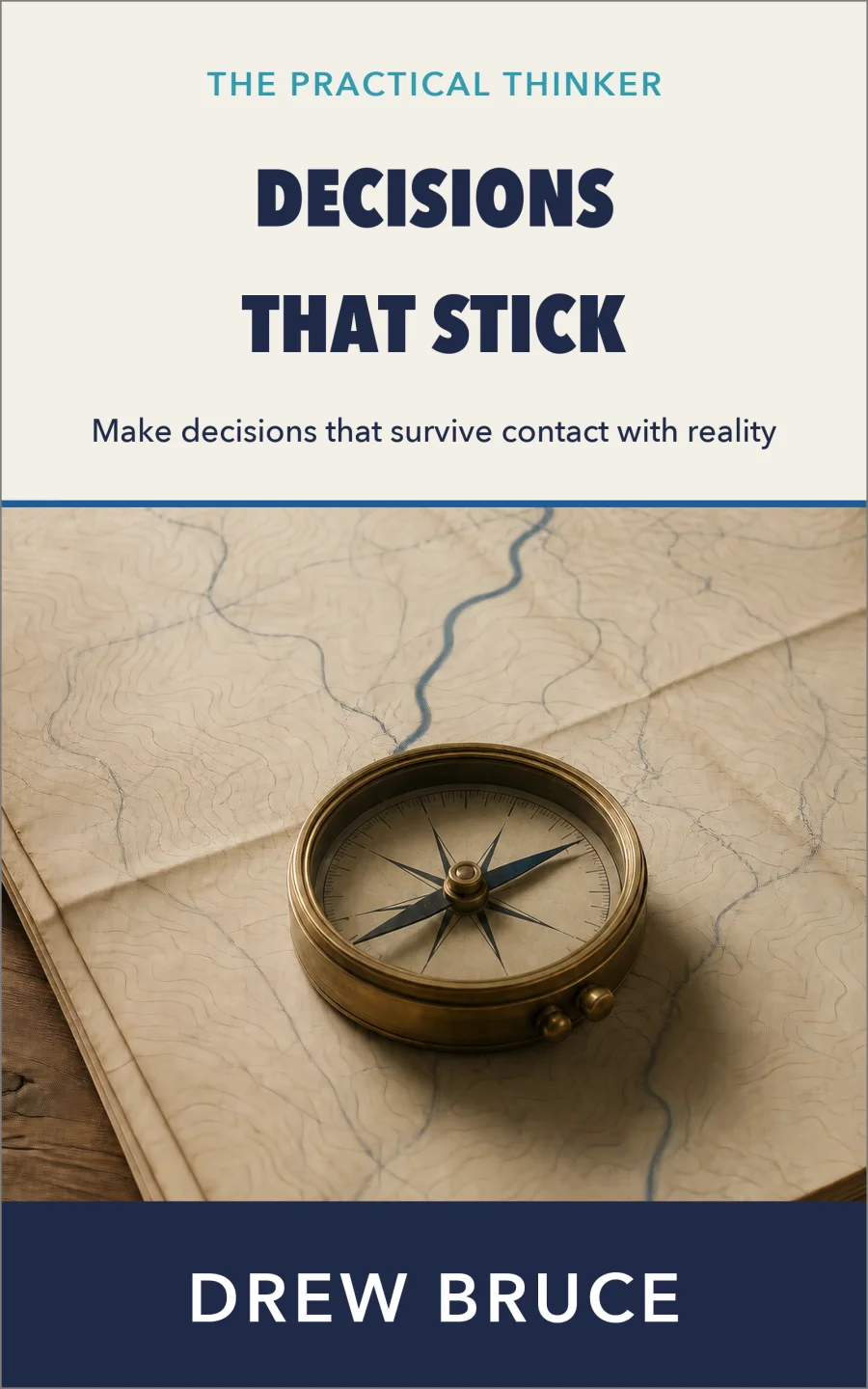
Decisions That Stick
Make decisions that survive contact with reality
Who it's for
Anyone tired of meetings that end with agreement but no clear path, owner, or first move.
What it covers
Framing, trade-offs, ownership, reversibility, decision records, revision, and the difference between a decision that sounds settled and one someone can actually carry.
The framework
The Bearing Check asks five navigation questions about the bearing, terrain, compass-holder, reversibility, and first waypoint.

What Deserves Your Attention
A calm guide to living in a noisy mind
Who it's for
Anyone whose mind can feel like a house with too many radios on, with every thought, feeling, message, headline, and imagined future competing for volume.
What it covers
How to notice mental noise, answer real alarms, separate what is yours from what is not, turn future worry into a proportionate move, and stop feeding an echo after the useful part has been heard.
The framework
The Volume Check asks what you are hearing, whether it is yours, whether it belongs to now, whether more attention is useful, and what deserves attention next.